
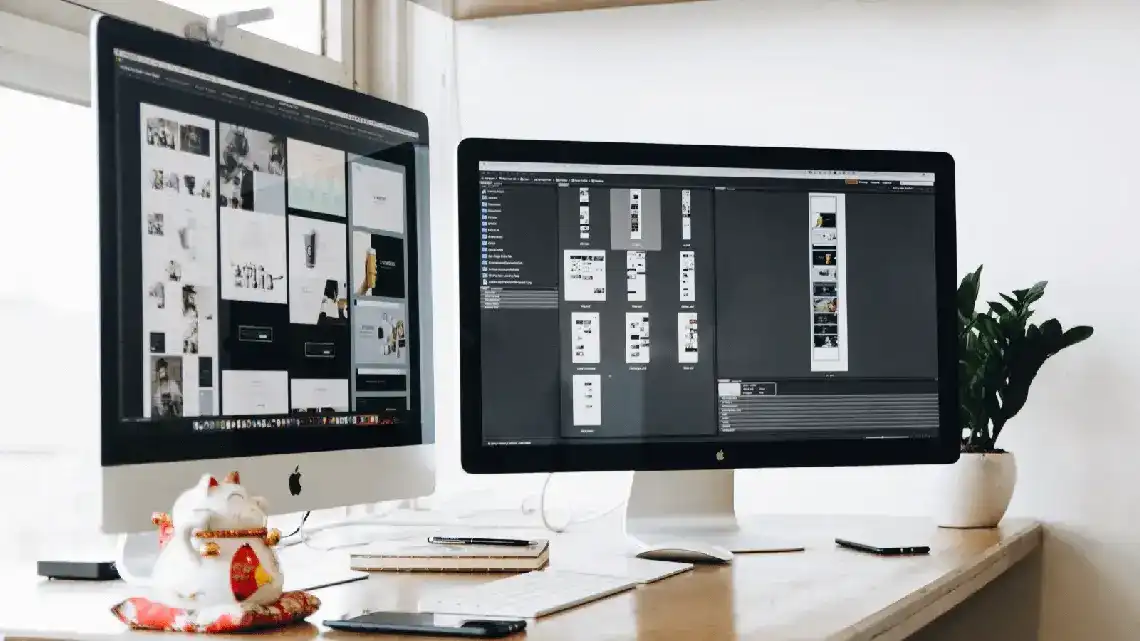
Role of Web Design
Web Design plays a vital role in how businesses present themselves online. For UK based companies, a professional and user focused website is often the first interaction a potential customer has with a brand.
Web Design plays a vital role in how businesses present themselves online. For UK based companies, a professional and user focused website is often the first interaction a potential customer has with a brand. A well designed website builds trust, communicates credibility and encourages visitors to take action, whether that is making an enquiry, purchasing a product or booking a service. Modern web design is no longer only about visual appeal. It is about usability, accessibility, performance and how seamlessly users can navigate content across devices. With the majority of UK users browsing on mobile, responsive design has become essential rather than optional. A website must adapt smoothly to different screen sizes while maintaining clarity, speed and consistency. Design choices such as colour schemes, typography and layout directly influence user behaviour. Clean designs with clear calls to action help guide visitors through the site journey. When combined with strong branding, web design becomes a powerful marketing tool that supports business growth and long term digital success.
How Web Development Supports Performance and Functionality
While design focuses on appearance and experience, web development ensures that everything works correctly behind the scenes. Development covers coding, structure, databases and server integration, allowing a website to perform efficiently and securely. Professional development ensures fast loading times, stable performance and compatibility with modern browsers. In the UK market, website speed is particularly important, as slow pages negatively affect search rankings and user retention. Development best practices also include clean code, scalability and security measures to protect both business data and customer information. Web development also enables advanced features such as booking systems, customer portals and integrations with third party platforms. These features enhance functionality and improve the overall user experience. A well developed website supports business operations rather than limiting them, allowing future growth without major rebuilds.
The Importance of User Experience and Accessibility
User experience is central to effective Web Design. A website should be easy to use, intuitive and accessible to all users, including those with disabilities. In the UK, accessibility standards are increasingly important for both ethical and legal reasons. Clear navigation, readable fonts and well structured content help users find what they need quickly. Accessibility considerations such as sufficient colour contrast, keyboard navigation and screen reader compatibility ensure inclusivity. Search engines also favour accessible websites, making this a critical part of SEO strategy. Good user experience reduces bounce rates and increases engagement. When visitors enjoy using a website, they are more likely to trust the brand and convert. By prioritising usability, businesses create digital platforms that serve both customers and search engines effectively.
Choosing the Right CMS for Your Business
A CMS or content management system allows businesses to manage and update their website content without technical expertise. Popular CMS platforms are widely used across the UK because they offer flexibility, scalability and ease of use. Choosing the right CMS depends on business goals, content needs and long term plans. A good CMS enables regular content updates, blog publishing and page management, which are essential for SEO and audience engagement. It also allows multiple users to collaborate securely with defined permissions. A well implemented CMS supports structured data, meta information and page optimisation. These features help search engines understand content better, which is increasingly important in AI powered search results. A reliable CMS ensures that websites remain current, relevant and competitive.
Web Application Development for Modern Business Needs
Web application development has become increasingly important as businesses seek more advanced digital solutions. Unlike standard websites, web applications provide interactive functionality that supports complex processes and user interactions. Examples include customer dashboards, booking platforms and internal management systems. For UK businesses, web applications can streamline operations, reduce manual work and improve customer satisfaction. These applications are accessible through browsers, making them cost effective and scalable. Successful web application development focuses on performance, security and user experience. Applications must handle data efficiently while remaining intuitive and easy to use. When designed correctly, web applications become valuable business tools that support growth and innovation.
Building Strong E-Commerce Experiences
E-Commerce websites require a careful balance of design, development and usability. UK consumers expect smooth shopping experiences with clear product information, secure payments and fast checkout processes. Effective e-commerce web design focuses on product presentation, trust signals and ease of navigation. Features such as search filters, customer reviews and clear pricing improve conversion rates. Development plays a crucial role in ensuring payment security, inventory management and order processing. Search engine optimisation is especially important for e-commerce websites. Product pages must be optimised with structured data, fast load times and mobile friendly layouts. When combined with strong content and technical performance, e-commerce websites can compete effectively in both traditional and AI driven search results.
SEO and Content Strategy for Web Design and Development
SEO is deeply connected to Web Design and development. A website must be structured in a way that search engines can easily crawl and understand. This includes clean URLs, proper heading hierarchy and optimised images. Content strategy also plays a significant role. High quality, informative content builds authority and trust, aligning with Google’s E E A T principles. UK audiences value clarity, transparency and relevance, making well written content essential. Modern SEO also considers user intent and AI generated search responses. Websites that provide clear answers, structured information and genuine expertise are more likely to appear in featured snippets and AI summaries. Web design and development should always support SEO goals rather than work against them.
Security, Maintenance and Long Term Reliability
Website security is a critical part of professional web development. UK businesses must protect customer data and comply with data protection regulations. Secure hosting, SSL certificates and regular updates help prevent vulnerabilities. Ongoing maintenance ensures that websites remain functional, fast and secure over time. This includes updating plugins, monitoring performance and fixing issues before they affect users. A well maintained website reflects professionalism and reliability. Long term reliability also depends on scalable design and development. As businesses grow, their websites should be able to accommodate increased traffic, new features and expanded content without performance issues.
Why Expertise and Experience Matter
Choosing experienced professionals for Web Design and development ensures better outcomes. Expertise allows designers and developers to anticipate challenges, apply best practices and deliver solutions that align with business goals. Authoritative web professionals understand both technical requirements and market expectations. They create websites that are not only visually appealing but also strategically effective. Trustworthiness is built through transparent processes, clear communication and proven results. For UK businesses, working with experienced web specialists provides confidence that their digital presence meets modern standards and future requirements.
The Future of Web Design and Development
The future of Web Design and development is shaped by emerging technologies, AI driven search and evolving user expectations. Websites must become more personalised, faster and more accessible to remain competitive. AI tools are influencing how content is discovered and presented. Websites that focus on genuine value, structured information and user satisfaction will continue to perform well. Design and development must adapt to these changes while maintaining core principles of usability and trust. As digital competition increases, investing in professional web design and development is no longer optional. It is a strategic decision that impacts visibility, credibility and long term success in the UK market.
Bringing Web Design and Development Together
Web Design and development are fundamental to building a strong online presence. When combined with thoughtful strategy, technical expertise and user focused design, websites become powerful business assets. By integrating web development, CMS solutions, web application development and e commerce functionality, businesses can create digital platforms that support growth and adapt to future demands. For UK organisations aiming to succeed online, investing in high quality web design and development is one of the most important steps they can take.